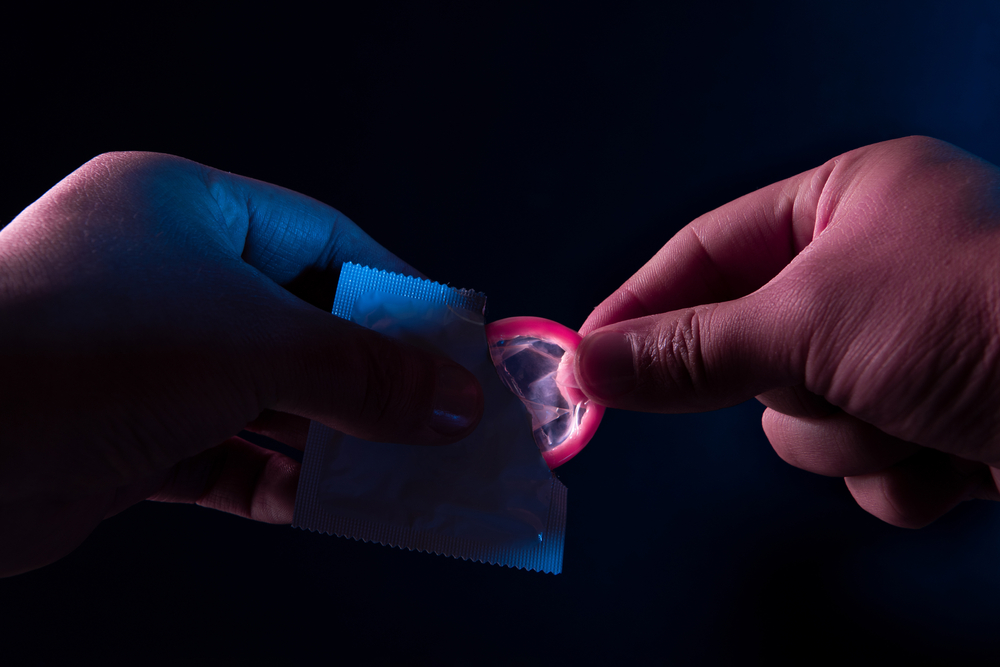
If you’ve come across the terms spermicidal and non-spermicidal condoms, you may be wondering what the difference is and whether one offers better protection than the other.
The main difference is simple: spermicidal condoms contain a spermicide, while non-spermicidal condoms do not. Although adding a spermicide might sound as though it should provide extra protection against pregnancy, current guidance does not recommend choosing spermicide-coated condoms for this reason.
Here’s what you need to know.
Spermicidal condoms are condoms that have been lubricated or coated with a substance called a spermicide.
Spermicides are contraceptive substances intended to affect sperm and reduce their ability to reach an egg. One spermicide that has commonly been used with condoms is nonoxynol-9, often shortened to N-9.
Spermicidal condoms were once promoted as offering an additional contraceptive benefit alongside the physical barrier provided by the condom. However, evidence has not shown that condoms lubricated with nonoxynol-9 provide additional protection against pregnancy compared with condoms using a non-spermicidal lubricant.
For this reason, spermicidal condoms should not be thought of as providing a 'double' level of contraceptive protection.
A non-spermicidal condom is simply a condom that does not contain a spermicide such as nonoxynol-9.
The condom itself provides the barrier. According to the NHS, external condoms help prevent pregnancy and reduce the risk of sexually transmitted infections (STIs) when used correctly.
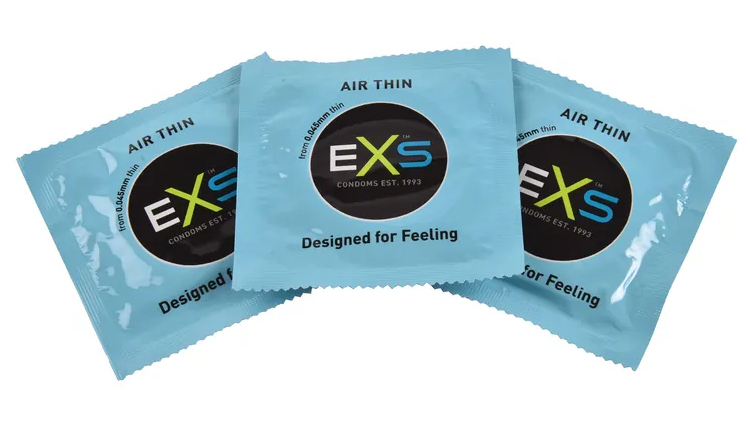
Non-spermicidal condoms are available in a wide variety of options, so choosing one does not mean being limited to a particular type. Our condom range includes different sizes, materials, textures and thicknesses to suit different preferences.
There is no evidence that condoms lubricated with nonoxynol-9 provide greater protection against pregnancy than condoms lubricated with other products.
The effectiveness of a condom therefore should not be judged by whether it contains spermicide.
Correct condom use is much more important. The NHS states that condoms are up to 98% effective at preventing pregnancy when used correctly every time. With incorrect or inconsistent use, effectiveness is lower.
Always follow the instructions supplied with the condoms you are using and check the expiry date before use.
No. Spermicide should not be relied upon for protection against sexually transmitted infections.
The World Health Organization states that nonoxynol-9 does not provide additional protection against STIs or HIV when added to condoms.
There are also concerns around irritation associated with nonoxynol-9. Frequent use can irritate or damage genital tissue, which is one reason current sexual-health guidance does not recommend spermicide-lubricated condoms.
The condom itself, rather than the spermicide, provides the relevant barrier against the transmission of many STIs.
Yes. A condom does not need to contain spermicide to work as a contraceptive barrier.
When used correctly every time, external condoms are up to 98% effective at preventing pregnancy according to the NHS. Condoms also help reduce the risk of HIV and other STIs.
There are many different types of non-spermicidal condoms available, including regular, thinner, textured, larger, closer-fitting and latex-free options.
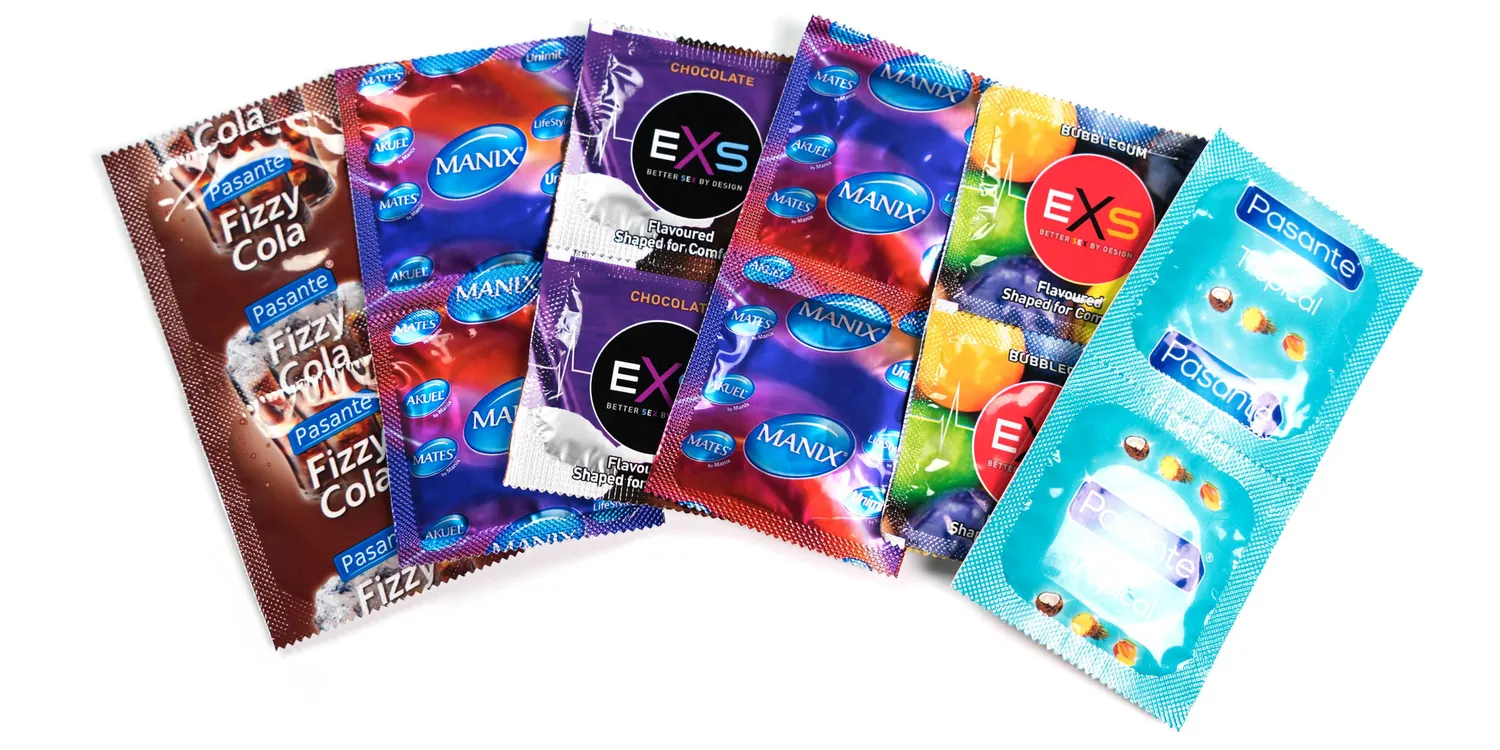
If you are unsure which style or size you prefer, condom variety packs can also provide a practical way to compare different options.
No. A lubricated condom is not automatically a spermicidal condom. Many condoms are supplied with lubricant that does not contain spermicide.
If you specifically want to know whether a condom contains spermicide, check the packaging or product information rather than assuming from the word 'lubricated'.
Yes, provided you choose a lubricant that is suitable for the type of condom you are using.
For latex condoms, the NHS advises using water-based or silicone-based lubricant and avoiding oil-based lubricants, as oils can damage latex.
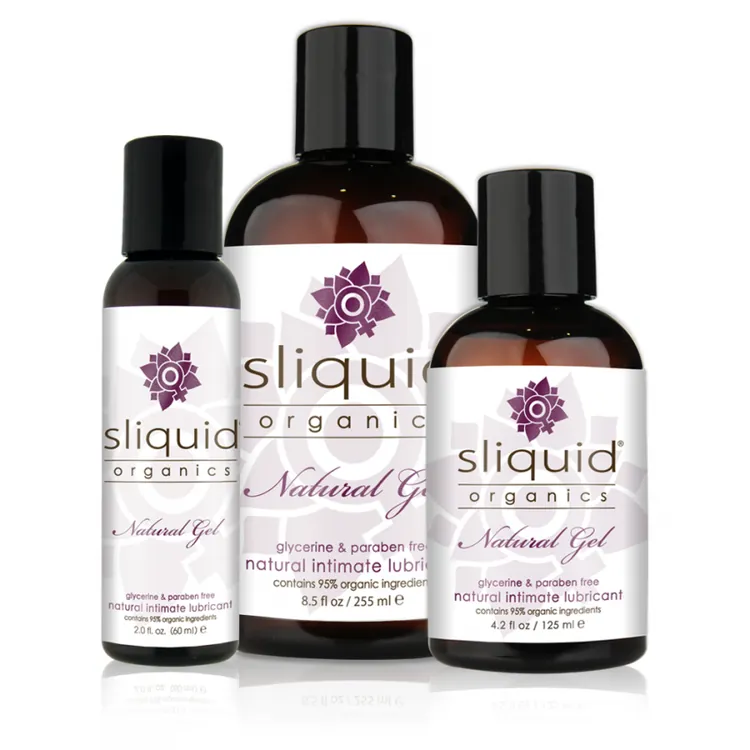
Our lubricant range includes water-based and silicone-based options, but you should always check the individual product information and condom instructions for compatibility before use.
No. They serve different purposes.
Lubricant is used to provide lubrication and reduce friction. Spermicide is a contraceptive substance intended to affect sperm.
A product can therefore be lubricated without containing spermicide. This is an important distinction when comparing condoms, particularly as many standard lubricated condoms are non-spermicidal.
There is no evidence that adding nonoxynol-9 to a condom provides additional protection against pregnancy or STIs, and current guidance advises against spermicide-lubricated condoms containing N-9.
For most people choosing condoms today, factors such as correct fit, material and correct use are more useful things to consider.
Our condom range includes standard, smaller and larger fits alongside thin, textured and latex-free options. If you're comparing several different styles, our condom variety packs offer another way to explore the available choices.
Whatever condom you choose, always read and follow the instructions supplied with it.
Spermicidal versus non-spermicidal is only one distinction you may come across when looking at condoms.
You may also want to consider:
This content is general information only and does not replace the product instructions, a clinician’s advice, or official NHS or GOV.UK guidance where relevant.
Sources:
https://www.nhs.uk/contraception/methods-of-contraception/condoms
https://www.who.int/news/item/28-06-2002-nonoxynol-9-ineffective-in-preventing-hiv-infection
https://www.cosrh.org/Common/Uploaded%20files/documents/ceuguidancebarriermethodscontraceptionsdi.pdf